Showing posts with label wooden barrels for sale. Show all posts

Monday, June 9, 2025

Barrel Aging for Beginners: The Basics You Need to Know

Whether you're a home brewer, a craft distiller, or a wine drinker interested in homemade aging, there's one key piece of equipment that converts raw liquid into a sophisticated work of art: the barrel. Barrel aging is an ancient tradition, but it's also a compelling science that anyone can delve into with the right equipment and information.
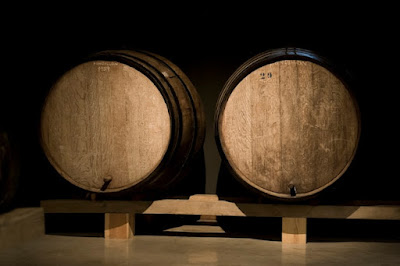
In this beginner's guide, we'll demystify the basics of barrel aging—what it is, how it works, and how you can get started. Whether you're searching for whiskey barrels for sale, wine barrels for sale, or just interested in how bourbon barrels do their thing, this is your starting point.

What Is Barrel Aging and Why Does It Matter?

 Fundamentally, barrel aging is the process of leaving a liquid, often alcohol, in a wooden barrel over a period of time. But it's not merely a method of storing your wine or spirits. Barrel aging changes flavor, mutes unpleasant notes, and incorporates deep complexity that can't be obtained in any other form.

The barrel serves as both a vessel and a catalyst. It adds flavor, color, and scent to the contents, and lets it "breathe" from the natural pores in the wood. In whiskey, wine, bourbon, and even certain beers, this aging is simply crucial to producing a good product.

What Goes On Inside a Barrel? 

 After filling, magic happens. Here's how:

  • Extraction: The wine or spirit extracts flavor compounds from the wood, including vanillin (vanilla), lactones (coconut), and tannins (spice and dryness).
  • Oxidation: Small amounts of oxygen seep in through the wood, softening aggressive elements and forming new aromatic compounds.
  • Maturation: Over time, these processes are brought together to result in a smoother, more flavorful, and more complex product.
  • No plastic container or metal tank can match the change that takes place in a wooden barrel.

Knowing Barrel Types

Selecting the right barrel is the most critical part of the aging process. The most popular types are described here:

1. New vs. Used Barrels

New barrels are used for bourbon and impart strong flavor effect because the interiors are fresh and charred.

Used barrels are perfect for aging other spirits, beers, or wines, delivering more subtle character and complexity. Seeking quality used wine barrels for sale? We have you covered.

2. Wood Type Makes a Difference

  • American Oak: Most typically used for bourbon barrels. Delivers bold vanilla, caramel, and spice flavors.
  • European Oak: Often used for aging wine. Delivers more tannins and a drier, earthier finish.
  • Other woods: Some manufacturers play with cherry, acacia, and even Japanese Mizunara oak for distinctive aging profiles.

3. Barrel Sizes

53-gallon standard barrels are generally used for whiskey and bourbon.

5–30-gallon barrels are perfect for home aging or test batches. Smaller barrels speed up the aging process because of higher surface-to-volume ratio.

What Affects Barrel Aging?

Aside from the barrel itself, other things significantly impact how your product ages:

  • Charring & Toasting: Within the barrel, the wood is charred (burned) or toasted (lightly heated). This affects intensity of flavor and smoke.
  • Climate: Temperature fluctuations make the liquid expand and contract into the wood, which increases extraction. That's why bourbon whiskey aged in Kentucky differs from whiskey aged in Scotland.
  • Time: While additional time contributes complexity, longer isn't always better. Over-aging results in an over-oaky or dry product.

What Can You Age in Barrels?

Whiskey and wine are most familiar, but a number of other drinks and even condiments can be aged in barrels:

  • Whiskey & Bourbon: Aging must be done legally in new charred oak barrels.
  • Wine: Particularly red wines, which slowly take in tannins and oxygen for a sophisticated taste.
  • Beer: Craft breweries frequently repurpose old whiskey or wine barrels to age imperial stouts or sours.
  • Others: Rum, tequila, brandy, vinegar, coffee, kombucha—even hot sauce!

Seeking wine barrels for sale or re-used bourbon barrels? Browse our extensive inventory.

Getting Started Tips

If you're new to the game, these are some quick tips:

  • Begin small. Use a smaller barrel and achieve results sooner.
  • Be selective. Get high-quality, leak-free barrels from a trusted source.
  • Prepare properly. Rehydrate used barrels prior to use and rinse any remaining spirit.

  • Monitor your aging. Taste along the way to discover how the flavor ages.

  • Clean & store barrels with care between uses to extend life.

  • And most of all—enjoy experimenting!

Where to Find Quality Barrels

Whether you're looking for used wooden barrels for sale to age your initial whiskey or require genuine bourbon barrels for your brew, the origin counts.

Rocky Mountain Barrel Company has an extensive inventory of quality new and used barrels. Our stock includes:

  • Authentic whiskey barrels for sale
  • Reconditioned wine barrels for sale
  • Aged bourbon barrels available for second-use aging
  • Decorative or functional wooden barrels for sale for furniture, gardening, or projects

We ship throughout the U.S. and worldwide—so wherever you are, you're never far from excellent barrels.

Final Thoughts

Barrel aging is as much an art as it is a science, providing an interactive means to delve into the process of flavor change and age-old tradition. From making a small batch of home-distilled whiskey, testing wine blends, or brewing the next barrel-aged stout, the process begins with the proper barrel.

Rocky Mountain Barrel Company is here to assist you with that initial step. Explore our offerings of whiskey barrels for sale, wine barrels for sale, and beyond—and begin aging like the pros.

Monday, April 28, 2025

How Barrel Aging Transforms the Taste of Whiskey

Whiskey isn't just made in the still—it's made in the barrel.

Every great whiskey you’ve ever tasted owes its soul to one thing: time spent in a wooden barrel. While distillation creates the raw spirit, it’s the barrel that brings flavor, depth, color, and character. If distilling is science, then barrel aging is alchemy.

We understand at Rocky Mountain Barrel Company how important the process of barrel aging is to making whiskey that's unforgettable. If you're a master distiller, a brave home barrel-ager, or just a whiskey lover, this guide will take you through how aging in whiskey barrels turns a hot young spirit into a rich, smooth work of art.

What Goes on Inside the Barrel?

Let's begin at the beginning: after whiskey is distilled, it's a high-proof, clear liquor called "white dog." It's harsh, unprocessed, and lacking the nuance most of us expect of good whiskey.

Then the magic happens. The liquor is put into oak barrels, typically American or European oak, and left to sit—sometimes for years. While it's sitting there, four big things occur that alter the flavor:

1. Interaction with Oak

There are natural chemicals such as lignin, hemicellulose, tannins, and lactones in oak barrels. During the time the whiskey spends in the barrel, it pulls these out. Vanilla, caramel, spice, and toasted wood flavor come from there. The charred surface of the barrel functions as a flavor sponge, both filtering and imparting flavor over time.

2. Oxidation

Although barrels are closed, they're not air-tight. Whiskey slowly exhales through the wood, reacting with oxygen. This oxidation process softens rough alcohol flavors, contributing to whiskey's smooth, rounded flavor.

3. Evaporation (The Angel's Share)

As time passes, some whiskey evaporates through the barrel staves—this is romantically referred to as the angel's share. While it takes away from volume, it intensifies flavor. What's left is richer and more complex.

4. Char and Toast Influence

Barrels are toasted on the inside prior to use. The degree of toast has a direct impact on flavor. A more intense char can add smoky, molasses-like flavors, whereas a lighter toast releases more floral and nutty undertones. This is an important choice in the aging process, and one we assist distillers with daily.

What Flavors Does Aging Add to Whiskey?

The longer a whiskey remains in a barrel, the more flavor it takes on. But what does that really mean in everyday terms?

Vanilla & Caramel

These are sweet flavors that come mostly from the degradation of lignin and wood sugars through charring and toasting. They're the most recognizable and popular whiskey notes.

Spice & Oak

Tannins and other compounds from the wood impart the bite and structure to whiskey. Clove, cinnamon, and even black pepper can develop with age.

Toasted & Smoky Notes

More intense charring produces a smokiness, common in bourbons and American whiskeys. It adds warmth and body to the finished spirit.

Fruity & Nutty Hints

Particularly when using used wine barrels, delicately wine-soaked fruit or nutty flavors can become infused in the whiskey, adding layers of complexity that unfold sip by sip.

At Rocky Mountain Barrel Company, we have a vast collection of whiskey barrels that include pre-used barrels which still retain the flavor profile of their first fill. These barrels are ideal for imparting subtle flavors to new batches.

How Time Changes Taste: A Breakdown by Years

Aging isn't merely adding time—it's adding character. This is how whiskey matures through various stages of aging:

0–2 Years: The Rough Start

The spirit remains sharp and grainy. It hasn't stayed in the barrel long enough to soften or pick up much flavor. This phase is too harsh for sipping but can be utilized in blending.

3–7 Years: The Sweet Spot

This is where most whiskeys truly come to life. The edges are softened, and the influence of oak is nicely balanced. You find rich vanilla, caramel, and spice flavors.

8+ Years: Deep Complexity

Aging for a longer time adds depth, richness, and complexity. But there is a balance—age it too long, and the spirit will become over-oaked, hiding the original character.

Does Barrel Type Matter? Absolutely.

The type of barrel utilized has a great influence on whiskey's ultimate flavor.

New Oak Barrels

These contribute intense, full-bodied flavors immediately. They're required for bourbons and frequently used for high-flavor profiles.

Used Bourbon Barrels

One of Rocky Mountain Barrel Company's specialties. These barrels have previously been filled with bourbon, so they contain a light, sweet residue that flavorfully, yet subtly, seasons the next fill—whiskey, rum, or even tequila.

Used Wine Barrels

These barrels contribute subtle notes of red fruit, dried berries, or even chocolate, depending on what they previously contained. Perfect for experimental aging projects.

Whether you need new barrels or pre-used wooden barrels for sale that've had another life, our inventory provides you with the options to make whiskey with character.

Climate and Storage Also Influence Taste

Don't forget—where and how you age your barrels is just as important as what barrel you age it in.

  • Warm Climates (such as Kentucky or Texas): Whiskey expands and contracts faster, accelerating flavor extraction.
  • Cooler Climates (such as Scotland or Colorado): Aging is slower, usually resulting in more refined and subtle flavors.
  • Warehouse Location: Higher floors are hotter and age more quickly; lower floors more slowly and cooler. A few distillers re-roll barrels in order to ensure consistency.

Barrel Aging Is Where the Magic Happens

Ultimately, barrel aging isn't merely a phase of the whiskey-making process—it is the process that determines your end product. From color to character, from scent to finish, all that makes whiskey a beloved spirit derives from its time in wood.

At Rocky Mountain Barrel Company, we're honored to be along for the ride. We provide top-shelf whiskey barrels and wooden barrels for sale—new American oak to aged wine and bourbon barrels—so you can craft spirits with authenticity and flavor that speaks for itself.

If you're beginning a craft distillery, introducing a new line of aged whiskey, or aging at home, we're here to assist you in selecting the ideal barrel.

Monday, March 10, 2025

Oak Barrels and Whisky: Exploring Their Essential Influence on Maturation

Whisky exists as more than a spirit since it represents artistic mastery, which enhances time through the elaborate interaction between flowing and wood elements. The final whiskey profile depends on oak barrels, which reshape the drink by influencing both color and spirit content.

Research on how new and experienced oak barrels modify whiskey during maturation will be conducted for both distilleries selling barrels and whisky enthusiasts who want to understand the aging process.

The Science Behind Oak and Whisky Maturation

After its initial condensation, whiskey becomes a transparent liquid water that tastes strongly alcoholic. Wooden barrels used for whiskey maturation cause dramatic changes to the liquid during the selling period. The second profile of whiskey develops through two essential processes involving barrel evaporation and oxidation, which take place when spirits interact with barrel breeze.

1. Oak’s Influence on Whisky Flavor

The maturing process of whisky benefits from oak wood specifically because this material possesses excellent robustness and permeability along with its luxurious chemical composition. During oak barrel storage, the whisky absorbs a particular compound named.

  • Lignin: The compound lignin creates vanilla along with spice when it enters whiskey.
  • Hemicellulose: Adds sweetness and caramel tones.
  • Tannins: Enhance structure and complexity.
  • Oak Lactones: Deliver coconut and woody aromas.

The combination of these elements transforms whisky into its matured state with distinctive traits of smoothness alongside depth and complexity.

2. The Role of Charring and Toasting

The barrel-making process requires both charred wood (charring) and wood burned to a crisp (crispen). The fresh oak barrels acquire a coal layer through charring, which traps the rough compounds responsible for smokiness while creating caramel flavors. Through toasting, the wood acquired new flavors, including spice and vanilla with nectar notes, while losing its natural sweetness.

Used vs. new oak barrel: What is the difference?

The distillery carefully selects between the used oak barrel and the new oak barrel that they want to mature in their Bombon based on the spirit. Here's how they differ in this way.

New Oak Barrels

  • The barrels transfer concentrated wood character along with tannic elements to the liquid.
  • The aging process for bourbon typically utilizes barrels of fresh charred oak because American bourbon regulations require this specific type of wood.
  • The barrel choice best suits producers who value strong flavors alongside deep complexity in their products.

Used Oak Barrels

  • The wood interacts gently with the liquid to produce delicate aging effects.
  • The containers that previously stored whisky, wine, rum or sherry contribute distinct secondary flavor profiles to the beverage.
  • Popular among Scotch and Irish whisky producers for delicate and refined flavor profiles.

Time Transformations of Whisky During Aging

Whisky's constantly metamorphoses into wooden barrels for sale. The relationship between water and wood produces a continuous physical process involving expansion and contraction because of temperature changes over seasonal periods.

  • First a few years: Whiskey faces strong wood tastes, which blackens its appearance during the early years of maturity.
  • Middle-transfusion (5–10 years): Between five and ten years of maturity, the soul develops complex taste notes, including sweet caramel and fruit elements with spicy undertakings.
  • Extended aging (15+ years): Whiskey fulfills its evolutionary journey beyond 15 years to achieve optimal maturity through an ideal balance between wooden essence and whiskey spirit.

Too long maturation times result in over-oaked whiskey when tannin becomes dominant over the whiskey's natural fictional aspects. The distiller pays close attention to the aging method to ensure perfect moderation.

Choosing the Right Oak Barrels For Whisky Maturation

Distillers buying oak barrels for sale need to select the right type because it stands as their essential priority. Two possible options exist for distillers to consider.

  • The Use of ex-Bourbon: Barrels in aging results in cinnamon-infused vanilla with caramel and honey characteristics.
  • Sherry Casks: The combination of Sherry Casks in whisky barrels generates dried fruit together with nutty and spicy characteristics.
  • Wine Barrels: Introduce berry, chocolate, and tannic influences.
  • Rum Barrels: Contribute tropical fruit and molasses sweetness.

The unique barrel attributes lead distilleries to conduct experiments, which result in producing unique whisky expressions.

Where to Find Quality Oak Barrels for Your Distillery

Rocky Mountain Barrel offers a broad selection of used and new oak barrels that satisfy the requirements of your whisky-making operations. Our company provides top-quality wooden barrels developed by premium distilleries for whiskey and wine, along with other alcoholic beverages.

Obtain Tailored Barrel Pricing Today

Your fictional character stands to gain from a suitable barrel choice by browsing our collection. Reach out to Rocky Mountain Barrel Company immediately to access a free custom quote along with the barrel that suits your age method requirements.

The History and Craftsmanship Behind Used Wine Barrels

Wine has been a part of human life for centuries. From the ancient cultures of Mesopotamia to modern vineyards, wine storage and aging techn...