Monday, October 13, 2025

The History and Craftsmanship Behind Used Wine Barrels

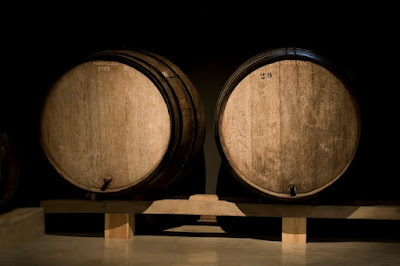
Wine has been a part of human life for centuries. From the ancient cultures of Mesopotamia to modern vineyards, wine storage and aging techniques have evolved, but one piece of art has remained constant: the wine barrel. At Rocky Mountain Barrel Company, winemakers and wine lovers alike can find quality wine barrels like red wine barrels and used red wine barrels, each with a history of heritage and handcrafting.

History of Used Wine Barrels

Wine barrels have been used since the time of the Celtic people of Europe, who first used wooden barrels to store and carry liquids. Wine was previously stored in brittle clay amphorae, which were not easy to transport. The use of wood barrels revolutionized the storage of wine. Barrels not only provided strength and ease of transport but also imparted flavor and sent it to the wine and helped improve its character.

The Romans had by the 3rd century BCE attained some sophistication in the technology of making barrels, or cooperage, when they understood the importance of specialized expertise in producing a vessel that would not just be watertight but also affect the aging of the wine. The production of wine barrels is a sensitive process and very specialized. Specialist coopers carefully select wood—traditionally French or American oak—for strength and flavor profile. The wood is then cut into staves, shaped, and joined together to form a tight, curved container. Each barrel is also shot over an open fire to warp the wood, a process which simultaneously caramelizes natural wood sugars and adds subtle vanilla, caramel, and spice flavors to the wine.

Craftmanship Behind Used Wine Barrels

Over the years, wine barrels have not only gained their status as good containers but also as something symbolic of tradition and artisanship. Even when previously used once, barrels are still crucial in winemaking. One-time-use red wine barrels are very much in demand in the industry due to the fact that they are already seasoned by previous vintages. Such barrels have come to influence batches of new wine in a lessening manner, contributing subtle nuances but never overpowering the natural flavors of the grape. Rocky Mountain Barrel Company offers wine enthusiasts refurbished used red wine barrels that are carefully inspected and restored so that each barrel is a quality choice for winemaking, aging spirits, or even furniture and home decor making.

The versatility of wine barrels is not just for wine. Barrel-aged beers, whiskeys, and even gourmet foods like vinegars and hot sauces benefit from the deep flavors imbued by oak barrels. The life cycle of a barrel is a testament to the artisanal skill that goes into it: from the very selection of the wood to maturing great wines and spirits, every step requires precision and skill.

Purchasing a red wine barrel or red wine barrels used is more than purchasing a container to store—more like adopting an artifact. Most today's distilleries and wineries seek barrels that have held specific vintages to imbue their products with unique characteristics. The background of the wine and the artistry of the cooper become an invisible ingredient in the product, creating a link from past to future that is truly remarkable.

Rocky Mountain Barrel Company has a wide range of wine barrels for sale, every one of which is made to high levels of quality and craftsmanship. From expert winemakers eager to refine their vintage to brewers experimenting with barrel-aging techniques to crafty people who want to repurpose a barrel into furniture or decor, these barrels are both functional and visually appealing.

Beyond their use, wine barrels also represent sustainability in craft. Winemakers conserve waste and maximize the life of each handcrafted vessel through reusing barrels. This is a philosophy of judicious stewardship that resonates with the artisanal traditions of cooperage as it espouses respect for materials, skill, and the natural aging process.

The appeal of red wine barrels and second-hand red wine barrels also extends beyond their practical use. They are reminiscent of history, craftsmanship, and a sense of connection to the natural forces that shape the wine—the soil, the grapes, and the wood itself. Each barrel carries with it a story from the forests where the oak tree flourished to the cellar where the wine rested. By adding these barrels to your winemaking or artistic endeavors, you are continuing a centuries-old legacy while infusing your work with character and depth.

Conclusion

The existence of a wine barrel is an enthralling mix of history, skill, and art. From their Celtic origin up to modern-day wineries, barrels have served as an essential tool for flavoring and preserving quality. With companies like Rocky Mountain Barrel Company retailing high-quality wine barrels, from specially selected red wine barrels to refurbished red wine barrels, it is now possible to experience the handwork and tradition of these exceptional containers. Used for aging wine, spirits, or as a creative vessel, every barrel within it holds the tradition of generations of coopers who mastered the art of harmonizing nature and craft with each other.

Tuesday, September 16, 2025

How to Repurpose Used Wine Barrels Beyond Aging: Décor, Gardens & Events

Wine barrels have been synonymous with the craft of winemaking, from aging quality red wines to producing signature blends. While the demand for used wine barrels continues to increase, numerous businesses and homeowners are finding innovative uses to give these classic wooden vessels a second chance. Firms such as Rocky Mountain Barrel Company not only offer fine wine barrels for sale but also provide inspiration for alternative uses beyond aging. Whether you’re working with red wine barrels or generic wine barrels, the possibilities for repurposing are endless.

Why Repurpose Wine Barrels?

Reusing barrels is more than a green alternative—it's an opportunity to merge sustainability with imagination. Existing wine barrels have built-in personality, with their deep wood tones and distinctive patina from aging wine over the years. Barrels can be repurposed to beautify rooms, form functional pieces of art, or even become icebreakers at parties. For homeowners and businesses, tapping into what wine barrels for sale can offer is not only useful but also inspiring.

Additionally, red wine barrels often offer deeper color and a slightly different texture, making them especially attractive for decorative or functional projects. Whether you’re designing a rustic garden, crafting unique furniture, or planning an event, these barrels bring warmth and authenticity that few other materials can match.

Home Decor Ideas Using Used Wine Barrels

One of the most common methods of reusing wine barrels is in home furnishings. With a little work, an old wine barrel can be refashioned into tasteful furniture or simply decorated pieces. Some ideas:

Tables and Counters: One barrel can be repurposed into a coffee table, end table, or even a bar counter. A glass or wood top added to it makes a useful piece with a rustic flair still intact.

Shelving Units: Halve a barrel to produce distinctive shelving or storage units. They can be used to store books, plants, or even barware, bringing a piece of vineyard design to your interior.

Accent Pieces: Barrel staves or smaller barrels can be converted to decorate planters, candle holders, or wall hangings. Red wine barrel aged wood lends itself well to accent pieces.

Garden and Outdoor Uses

The ubiquity of wine barrels is not limited to indoor locations. They are also suitable for outdoor locations due to their size and durability. Gardens, patios, and even landscaping are ideal uses for them. Some of the most common garden uses include:

Planters and Raised Beds: Half or full barrels are great planters for vegetables, flowers, or herbs. Their raised nature helps drainage and gives your garden a rustic feel.

Water Features: Certain inventive DIY experts turn barrels into fountains, containers for ponds, or rainwater storage, merging function with aesthetics.

Outdoor Furniture: You can make benches, tables, or even outdoor bars as focal points of gatherings by piling up barrels or integrating them with wooden tops.

Event and Hospitality Uses

Wine barrels have been the go-to in event planning and hospitality, offering distinctive backgrounds and functional aspects. Weddings and festivals all the way to corporate events, their beauty and adaptability are peerless:

Event Tables and Stands: Old wine barrels can be converted into high-top tables, dessert displays, or buffet stands. They are strong enough for both aesthetic and utilitarian applications. 

Signage and Decor: Naming, dating, or messaging barrels through painting or engraving gives weddings or corporate events a personal touch.

Bar and Drink Stations: Barrels provide real wine or cocktail stations, particularly when combined with Rocky Mountain Barrel Company's barrels for guaranteed quality and longevity.

Combining Functionality and Aesthetic

The secret to successfully repurposing barrels is striking a balance between functionality and beauty. Whether a red wine barrel nestled in a corner of your living room or a wine barrel for sale line creating the focal point of a garden, these barrels are so versatile that they can serve practical purposes while adding visual beauty.

Additionally, recycling barrels is a means of retaining the history and personality of the wood. Each old wine barrel has with it the background of its aging wine, imbuing a sense of nostalgia and charm that fresh furniture or accessory pieces do not have.

Finding the Right Barrels

If you’re looking to repurpose barrels, sourcing high-quality options is essential. Rocky Mountain Barrel Company provides a wide selection of new and used wine barrels, including red wine barrels, ensuring that your project starts with the best materials. Their barrels are durable, aesthetically pleasing, and ready to be transformed into anything from garden planters to event furniture.

Whether you’re a DIY enthusiast, a homeowner looking to add rustic charm, or an event planner seeking unique decor, investing in quality barrels sets the stage for creativity while maintaining longevity.

Final Thoughts

Repurposing used wine barrels goes far beyond the vineyard, offering endless possibilities for decor, gardens, and events. From creating functional furniture to enhancing outdoor spaces and designing memorable event elements, barrels carry both utility and character.

By selecting high-quality barrels like those offered by Rocky Mountain Barrel Company, you can be sure that your project not only appears stunning but also stands the test of time. In today's global marketplace where sustainability and creativity are the buzzwords, reuse of barrels is a functional, fashionable, and environmentally friendly solution to breathe new life into these ageless wooden containers.

The next time you see an available wine barrel for sale, consider that its potential goes far beyond wine aging—it's a canvas waiting to be unleashed for innovation, design, and storytelling.

Tuesday, August 12, 2025

The Rise of Barrel-Aged Beers: What Every Brewer Should Know

Craft beer has always been about innovation, experimentation, and pushing the boundaries of flavor. Over the last decade, one trend that has captured the imagination of brewers and beer lovers alike is barrel aging. From bold stouts to complex sours, barrel-aged beers have become a hallmark of craft brewing excellence. But behind every successful barrel-aged beer is a brewer who understands the power of the barrel itself.

At Rocky Mountain Barrel Company, we work closely with brewers across the globe to supply the highest-quality whiskey barrels for sale, including bourbon barrels and whisky barrels, to help create standout beers with depth and character. Whether you're just starting with barrel aging or looking to scale up, here's what every brewer should know about this exciting process.

Why Barrel-Aged Beers Are So Popular

Barrel-aged beers offer a drinking experience unlike any other. When beer rests in a used spirit barrel, it picks up flavors from the wood and residual liquid inside. Vanilla, oak, caramel, spice, and even smoke—these are just a few of the notes that can be drawn from a well-seasoned bourbon barrel or whisky barrel.

This flavor complexity gives barrel-aged beers a unique edge, making them highly sought-after by connoisseurs. Limited releases, seasonal variants, and premium packaging also add to the appeal. Barrel-aged beers tell a story—and consumers love sipping that narrative one pour at a time.

Choosing the Right Barrel: Bourbon vs. Whiskey vs. Wine

Not all barrels are created equal. For most brewers, bourbon barrels are the gateway into barrel aging. By law, bourbon must be aged in new, charred American oak barrels, meaning these barrels are only used once before they're emptied and sold. That makes them perfect for repurposing, especially for aging beer.

The intense vanilla, toffee, and oak notes from bourbon barrels pair beautifully with dark beers like imperial stouts and porters. Meanwhile, whisky barrels (including Scotch or other non-bourbon whiskey variants) can introduce flavors like peat, smoke, and dried fruit—ideal for more adventurous or malty beer styles.

Some brewers also experiment with wine barrels, rum barrels, or even tequila barrels to add new layers of flavor, but whiskey and bourbon barrels remain the most popular choices due to their bold and consistent profiles.

Freshly Dumped Barrels Matter

One of the most important factors in barrel aging is freshness. When a whiskey or bourbon barrel is freshly dumped, it still contains moisture and trace amounts of spirit soaked into the wood. This freshness enhances flavor transfer and reduces the risk of contamination.

At Rocky Mountain Barrel Company, we pride ourselves on providing fresh, recently emptied barrels that are carefully inspected and stored under optimal conditions. When you search for “whiskey barrels for sale,” it's not just about availability—it’s about quality, condition, and reliability.

Barrel Aging Beer: What Brewers Should Expect

Barrel aging is as much an art as it is a science. Once your beer enters the barrel, time, temperature, and oxygen all play critical roles. Some beers may need just a few weeks, while others take months or even a year to develop the right balance.

Things to monitor during barrel aging:

  • Leakage: Barrels can dry out, so humid storage and regular inspection help prevent leaks.
  • Oxidation: Too much air can spoil the beer. Full barrels and tight seals are essential.
  • Contamination: Wild yeast or bacteria can be a benefit (for sours) or a disaster—depending on your intent.

The beauty of aging beer in bourbon or whisky barrels is the surprise element—each barrel adds something slightly unique. That’s why some brewers blend multiple barrels to create a consistent final product.

Marketing the Barrel-Aged Experience

Barrel-aged beers are more than just drinks—they're experiences. Consumers are drawn to the story behind the barrel: Was it once used to age Kentucky bourbon? How long was the beer aged? What flavors can they expect?

Many breweries lean into this storytelling by creating specialty labels, limited-edition releases, or offering exclusive barrel-aged flights in taprooms. The more you involve your customers in the aging process, the more they’ll connect with the final product.

Partner with a Trusted Barrel Supplier

If you're serious about making great barrel-aged beer, working with a trusted supplier is non-negotiable. At Rocky Mountain Barrel Company, we offer a vast selection of whiskey barrels for sale, including premium used bourbon barrels and whisky barrels from top distilleries around the world.

We ship globally, ensure all barrels are carefully inspected and cleaned, and work with brewers of all sizes—from small taprooms to large production breweries. No matter your beer style or barrel aging goals, we're here to help bring your vision to life.

Final Thoughts

The rise of barrel-aged beer is more than a passing trend—it's a movement. With the right barrel, a brewer can transform a good beer into a masterpiece. Whether you’re experimenting with your first barrel or managing dozens in your cellar, remember: the barrel is your secret ingredient.

If you're looking for top-quality bourbon barrels, whisky barrels, or whiskey barrels for sale, trust Rocky Mountain Barrel Company to deliver the excellence your beer deserves.


Tuesday, July 8, 2025

Why Whiskey Barrels Are Used Only Once in Bourbon Production

If you're a bourbon enthusiast or an aspiring distiller, you may have heard that bourbon must be aged in new oak barrels—never reused. But have you ever wondered why? What makes these bourbon barrels so special that they’re only used once in the entire aging process?

This practice is far more than just tradition. It's a critical step in crafting the bold flavor and character that defines true bourbon. And while the first use may be their most important, these barrels have plenty of life left in them afterward—making used whiskey barrels for sale a valuable commodity across the globe.

The Importance of New Bourbon Barrels in Whiskey Making

Bourbon must legally be aged in new, charred American oak barrels. This regulation ensures consistency and preserves the rich, smooth taste that bourbon is known for.

Inside each fresh barrel is a layer of charred wood that caramelizes natural sugars and filters out harsh notes. As the bourbon rests, it slowly pulls flavors like vanilla, caramel, and spice from the wood. The spirit also takes on its rich amber color during this stage.

This flavor exchange only happens once. After the initial aging, the wood’s most impactful flavor compounds are depleted. That’s why bourbon barrels are used only once in bourbon production.

Why Use a Barrel Only Once?

Think of a bourbon barrel like a gourmet tea bag: the first steep is powerful and full of flavor; every use afterward becomes weaker.

Here’s why distillers only use each barrel one time:

  • Maximum Flavor Extraction – The first aging cycle pulls out the strongest vanilla, oak, and spice notes. After that, the barrel can’t offer the same richness.
  • Legal Standards – By U.S. law, to be labeled “bourbon,” the spirit must age in a new, charred oak container.
  • Consistency – Using new barrels ensures a uniform, premium product in every bottle.
  • Authenticity – That distinctive smoothness and complexity of bourbon come directly from this one-time interaction with virgin oak.

What Happens to Used Bourbon Barrels?

While their role in bourbon-making ends after a single use, used bourbon barrels are far from worthless. In fact, they begin a second life that is just as valuable in different industries.

Used whiskey barrels are highly sought-after worldwide, particularly by:

  • Distilleries – Scotch, rum, tequila, and other spirit producers love using used whiskey barrels to give their products subtle bourbon character.
  • Breweries & Wineries – Craft beers, wines, and even cider benefit from the complex flavors left behind in these barrels.
  • Specialty Producers – Artisanal goods like hot sauces, maple syrup, and cold brew coffee often age in used bourbon barrels to add richness and depth.
  • Decor & DIY Projects – From rustic tables to whiskey-themed bars and garden planters, these barrels are repurposed creatively around the world.

The Eco-Friendly Side of Used Whiskey Barrels

While bourbon requires new barrels, this practice doesn’t go to waste. The oak is strong and durable, making used whiskey barrels for sale a sustainable option for many industries. Reusing barrels reduces environmental impact while giving crafters and brewers a valuable tool for aging and design.

Get Quality Used Whiskey Barrels from Rocky Mountain Barrel Company


At Rocky Mountain Barrel Company, we specialize in giving used bourbon barrels a second life. Whether you're aging spirits, brewing bold beers, or looking for authentic décor, our inventory of premium used whiskey barrels for sale offers unmatched quality and character.

We’ve built our reputation on providing clean, carefully sourced barrels from top distilleries. With our expert knowledge and unbeatable selection, we’re here to help you find the perfect barrel for your next project—whether it’s creative or commercial.

Final Thoughts

The tradition of using each bourbon barrel just once in bourbon production is deeply rooted in quality and flavor. But that doesn’t mean the story ends there. These barrels go on to age rum, flavor coffee, and even become statement pieces in homes and businesses.

If you're looking to bring a touch of bourbon heritage into your own work, explore our range of used whiskey barrels for sale at Rocky Mountain Barrel Company. Each barrel has a past—and endless possibilities for the future.


Monday, June 9, 2025

Barrel Aging for Beginners: The Basics You Need to Know

Whether you're a home brewer, a craft distiller, or a wine drinker interested in homemade aging, there's one key piece of equipment that converts raw liquid into a sophisticated work of art: the barrel. Barrel aging is an ancient tradition, but it's also a compelling science that anyone can delve into with the right equipment and information.

In this beginner's guide, we'll demystify the basics of barrel aging—what it is, how it works, and how you can get started. Whether you're searching for whiskey barrels for sale, wine barrels for sale, or just interested in how bourbon barrels do their thing, this is your starting point.

What Is Barrel Aging and Why Does It Matter?

 Fundamentally, barrel aging is the process of leaving a liquid, often alcohol, in a wooden barrel over a period of time. But it's not merely a method of storing your wine or spirits. Barrel aging changes flavor, mutes unpleasant notes, and incorporates deep complexity that can't be obtained in any other form.

The barrel serves as both a vessel and a catalyst. It adds flavor, color, and scent to the contents, and lets it "breathe" from the natural pores in the wood. In whiskey, wine, bourbon, and even certain beers, this aging is simply crucial to producing a good product.

What Goes On Inside a Barrel? 

 After filling, magic happens. Here's how:

  • Extraction: The wine or spirit extracts flavor compounds from the wood, including vanillin (vanilla), lactones (coconut), and tannins (spice and dryness).
  • Oxidation: Small amounts of oxygen seep in through the wood, softening aggressive elements and forming new aromatic compounds.
  • Maturation: Over time, these processes are brought together to result in a smoother, more flavorful, and more complex product.
  • No plastic container or metal tank can match the change that takes place in a wooden barrel.

Knowing Barrel Types

Selecting the right barrel is the most critical part of the aging process. The most popular types are described here:

1. New vs. Used Barrels

New barrels are used for bourbon and impart strong flavor effect because the interiors are fresh and charred.

Used barrels are perfect for aging other spirits, beers, or wines, delivering more subtle character and complexity. Seeking quality used wine barrels for sale? We have you covered.

2. Wood Type Makes a Difference

  • American Oak: Most typically used for bourbon barrels. Delivers bold vanilla, caramel, and spice flavors.
  • European Oak: Often used for aging wine. Delivers more tannins and a drier, earthier finish.
  • Other woods: Some manufacturers play with cherry, acacia, and even Japanese Mizunara oak for distinctive aging profiles.

3. Barrel Sizes

53-gallon standard barrels are generally used for whiskey and bourbon.

5–30-gallon barrels are perfect for home aging or test batches. Smaller barrels speed up the aging process because of higher surface-to-volume ratio.

What Affects Barrel Aging?

Aside from the barrel itself, other things significantly impact how your product ages:

  • Charring & Toasting: Within the barrel, the wood is charred (burned) or toasted (lightly heated). This affects intensity of flavor and smoke.
  • Climate: Temperature fluctuations make the liquid expand and contract into the wood, which increases extraction. That's why bourbon whiskey aged in Kentucky differs from whiskey aged in Scotland.
  • Time: While additional time contributes complexity, longer isn't always better. Over-aging results in an over-oaky or dry product.

What Can You Age in Barrels?

Whiskey and wine are most familiar, but a number of other drinks and even condiments can be aged in barrels:

  • Whiskey & Bourbon: Aging must be done legally in new charred oak barrels.
  • Wine: Particularly red wines, which slowly take in tannins and oxygen for a sophisticated taste.
  • Beer: Craft breweries frequently repurpose old whiskey or wine barrels to age imperial stouts or sours.
  • Others: Rum, tequila, brandy, vinegar, coffee, kombucha—even hot sauce!

Seeking wine barrels for sale or re-used bourbon barrels? Browse our extensive inventory.

Getting Started Tips

If you're new to the game, these are some quick tips:

  • Begin small. Use a smaller barrel and achieve results sooner.
  • Be selective. Get high-quality, leak-free barrels from a trusted source.
  • Prepare properly. Rehydrate used barrels prior to use and rinse any remaining spirit.

  • Monitor your aging. Taste along the way to discover how the flavor ages.

  • Clean & store barrels with care between uses to extend life.

  • And most of all—enjoy experimenting!

Where to Find Quality Barrels

Whether you're looking for used wooden barrels for sale to age your initial whiskey or require genuine bourbon barrels for your brew, the origin counts.

Rocky Mountain Barrel Company has an extensive inventory of quality new and used barrels. Our stock includes:

  • Authentic whiskey barrels for sale
  • Reconditioned wine barrels for sale
  • Aged bourbon barrels available for second-use aging
  • Decorative or functional wooden barrels for sale for furniture, gardening, or projects

We ship throughout the U.S. and worldwide—so wherever you are, you're never far from excellent barrels.

Final Thoughts

Barrel aging is as much an art as it is a science, providing an interactive means to delve into the process of flavor change and age-old tradition. From making a small batch of home-distilled whiskey, testing wine blends, or brewing the next barrel-aged stout, the process begins with the proper barrel.

Rocky Mountain Barrel Company is here to assist you with that initial step. Explore our offerings of whiskey barrels for sale, wine barrels for sale, and beyond—and begin aging like the pros.

Monday, April 28, 2025

How Barrel Aging Transforms the Taste of Whiskey

Whiskey isn't just made in the still—it's made in the barrel.

Every great whiskey you’ve ever tasted owes its soul to one thing: time spent in a wooden barrel. While distillation creates the raw spirit, it’s the barrel that brings flavor, depth, color, and character. If distilling is science, then barrel aging is alchemy.

We understand at Rocky Mountain Barrel Company how important the process of barrel aging is to making whiskey that's unforgettable. If you're a master distiller, a brave home barrel-ager, or just a whiskey lover, this guide will take you through how aging in whiskey barrels turns a hot young spirit into a rich, smooth work of art.

What Goes on Inside the Barrel?

Let's begin at the beginning: after whiskey is distilled, it's a high-proof, clear liquor called "white dog." It's harsh, unprocessed, and lacking the nuance most of us expect of good whiskey.

Then the magic happens. The liquor is put into oak barrels, typically American or European oak, and left to sit—sometimes for years. While it's sitting there, four big things occur that alter the flavor:

1. Interaction with Oak

There are natural chemicals such as lignin, hemicellulose, tannins, and lactones in oak barrels. During the time the whiskey spends in the barrel, it pulls these out. Vanilla, caramel, spice, and toasted wood flavor come from there. The charred surface of the barrel functions as a flavor sponge, both filtering and imparting flavor over time.

2. Oxidation

Although barrels are closed, they're not air-tight. Whiskey slowly exhales through the wood, reacting with oxygen. This oxidation process softens rough alcohol flavors, contributing to whiskey's smooth, rounded flavor.

3. Evaporation (The Angel's Share)

As time passes, some whiskey evaporates through the barrel staves—this is romantically referred to as the angel's share. While it takes away from volume, it intensifies flavor. What's left is richer and more complex.

4. Char and Toast Influence

Barrels are toasted on the inside prior to use. The degree of toast has a direct impact on flavor. A more intense char can add smoky, molasses-like flavors, whereas a lighter toast releases more floral and nutty undertones. This is an important choice in the aging process, and one we assist distillers with daily.

What Flavors Does Aging Add to Whiskey?

The longer a whiskey remains in a barrel, the more flavor it takes on. But what does that really mean in everyday terms?

Vanilla & Caramel

These are sweet flavors that come mostly from the degradation of lignin and wood sugars through charring and toasting. They're the most recognizable and popular whiskey notes.

Spice & Oak

Tannins and other compounds from the wood impart the bite and structure to whiskey. Clove, cinnamon, and even black pepper can develop with age.

Toasted & Smoky Notes

More intense charring produces a smokiness, common in bourbons and American whiskeys. It adds warmth and body to the finished spirit.

Fruity & Nutty Hints

Particularly when using used wine barrels, delicately wine-soaked fruit or nutty flavors can become infused in the whiskey, adding layers of complexity that unfold sip by sip.

At Rocky Mountain Barrel Company, we have a vast collection of whiskey barrels that include pre-used barrels which still retain the flavor profile of their first fill. These barrels are ideal for imparting subtle flavors to new batches.

How Time Changes Taste: A Breakdown by Years

Aging isn't merely adding time—it's adding character. This is how whiskey matures through various stages of aging:

0–2 Years: The Rough Start

The spirit remains sharp and grainy. It hasn't stayed in the barrel long enough to soften or pick up much flavor. This phase is too harsh for sipping but can be utilized in blending.

3–7 Years: The Sweet Spot

This is where most whiskeys truly come to life. The edges are softened, and the influence of oak is nicely balanced. You find rich vanilla, caramel, and spice flavors.

8+ Years: Deep Complexity

Aging for a longer time adds depth, richness, and complexity. But there is a balance—age it too long, and the spirit will become over-oaked, hiding the original character.

Does Barrel Type Matter? Absolutely.

The type of barrel utilized has a great influence on whiskey's ultimate flavor.

New Oak Barrels

These contribute intense, full-bodied flavors immediately. They're required for bourbons and frequently used for high-flavor profiles.

Used Bourbon Barrels

One of Rocky Mountain Barrel Company's specialties. These barrels have previously been filled with bourbon, so they contain a light, sweet residue that flavorfully, yet subtly, seasons the next fill—whiskey, rum, or even tequila.

Used Wine Barrels

These barrels contribute subtle notes of red fruit, dried berries, or even chocolate, depending on what they previously contained. Perfect for experimental aging projects.

Whether you need new barrels or pre-used wooden barrels for sale that've had another life, our inventory provides you with the options to make whiskey with character.

Climate and Storage Also Influence Taste

Don't forget—where and how you age your barrels is just as important as what barrel you age it in.

  • Warm Climates (such as Kentucky or Texas): Whiskey expands and contracts faster, accelerating flavor extraction.
  • Cooler Climates (such as Scotland or Colorado): Aging is slower, usually resulting in more refined and subtle flavors.
  • Warehouse Location: Higher floors are hotter and age more quickly; lower floors more slowly and cooler. A few distillers re-roll barrels in order to ensure consistency.

Barrel Aging Is Where the Magic Happens

Ultimately, barrel aging isn't merely a phase of the whiskey-making process—it is the process that determines your end product. From color to character, from scent to finish, all that makes whiskey a beloved spirit derives from its time in wood.

At Rocky Mountain Barrel Company, we're honored to be along for the ride. We provide top-shelf whiskey barrels and wooden barrels for sale—new American oak to aged wine and bourbon barrels—so you can craft spirits with authenticity and flavor that speaks for itself.

If you're beginning a craft distillery, introducing a new line of aged whiskey, or aging at home, we're here to assist you in selecting the ideal barrel.

Monday, March 31, 2025

The History of the Oak Barrel: From Ancient Times to Modern Day

The oak barrel is not merely a container—it's a centuries-old art that has developed the taste of wine, whiskey, and beer for centuries. But how and when did it all start? How did barrels evolve from mere vehicles of transport to intrinsically important tools for maturation of fine drinks?

Here at Rocky Mountain Barrel Company, we pride ourselves on providing new oak barrels and used oak barrels to winemakers, distillers, brewers, and even crafty hobbyists. Let's follow the interesting history of the oak barrel, from where it all began to its contemporary relevance.

1. The Origins: Early Barrel-Making in Ancient Civilizations

Prior to the use of oak barrels as the prevailing method for aging wine and spirits, older societies had different means of storage. Ancient Egyptians, Mesopotamians made use of clay amphorae, while nomadic tribes used animal skins to store liquids.

The innovation arrived sometime around 350 BCE, when the Celts invented wooden barrels. By employing their sophisticated woodworking technology, they made watertight, curved wooden containers, tied together with metal bands. In contrast to clay, these barrels were portable, resistant, and lightweight—a revolution in early commerce.

The Romans and the Emergence of Barrel Utilization

The Romans soon embraced this innovation, substituting amphorae with wooden barrels to hold and ship wine, olive oil, and other commodities. Their vast empire popularized the use of barrels in Europe, laying the foundation for their application in winemaking and brewing.

2. The Middle Ages: Oak Barrels in Trade and Winemaking

In the Middle Ages, oak barrels became the benchmark for transporting and storing drinks. Wine traders, brewers, and distillers used barrels to transport their beverages throughout Europe.

Why Oak?

Not all woods are equal. Oak was used as the choice wood for barrels because:

  • It is robust yet pliable, which makes it perfect for moulding.
  • Its close grain helps prevent leaks without allowing much oxygen exchange.
  • It adds flavor, giving vanilla, spice, and caramel flavors to liquids.

The cooper (barrel maker) became a highly esteemed occupation, with master craftsmen refining the craft of barrel-making. Their skill was essential to the flourishing trade in wine, beer, and spirits.

3. The Age of Exploration: Barrels as Essential Cargo

As European settlers sailed across the globe, oak barrels were crucial in transoceanic travel. They held fresh water, beer, and rum, with provisions remaining stable over months of sailing.

Barrels and Spirits: The Birth of Aging

Merchants and sailors observed that whiskey, rum, and brandy aged in oak barrels on long voyages were more palatable when they arrived. This happy accident was followed by deliberate aging of the liquors, giving rise to the sophisticated, barrel-aged spirits we know and love today.

Barrels were also instrumental in international trade, carrying everything from spices to gunpowder.

4. The Modern Evolution of Oak Barrels

As scientific winemaking and distilling grew, the oak barrel evolved from a basic storage vessel to an intentional aging vessel.

Barrel Aging Basics

Wine or spirits remain in a barrel, where the wood comes into contact with the liquid and affects its color, smell, and flavor. This occurs in various manners:

  • Oxidation: Small traces of oxygen filter through the wood, mellowing tannins and contributing to smoothness.
  • Wood Constituents: Oak emits natural compounds such as vanillin (vanilla hints), tannins (structure), and lactones (spice and coconut suggestions).
  • Evaporation & Concentration: Part of the liquid is lost (the "angel's share"), concentrating flavors.

French Oak vs. American Oak

  • French Oak: Smoother grain, less assertive flavors, commonly used for wine barrels.
  • American Oak: More robust, with strong vanilla and coconut flavors, widely used for whiskey barrels.

5. Oak Barrels in Modern Beverage Manufacturing

Oak barrels continue to play a vital role today in the manufacture of:

  • Wine – New oak barrels and used wine barrels both have an impact on taste and complexity.
  • Whiskey & Bourbon – Barrels are legally mandated for bourbon aging.
  • Beer & Cider – Used oak barrels are used by most craft brewers to provide depth to their beers.

The Used Oak Barrel Market

Aging wine in used oak barrels is trendy these days. Distilleries and wineries look for used wine barrels and whiskey barrels to infuse complicated flavors in their products.

Rocky Mountain Barrel Company provides a variety of oak barrels for sale to winemakers, brewers, and home aging enthusiasts.

6. Sustainability & The Future of Oak Barrels

The industry is moving towards sustainable barrel production with increasing environment consciousness.

  • Sustainable Forestry & Barrel Repurposing
  • Several cooperages today employ responsibly harvested oak from sustainably managed forests.
  • Old oak barrels are repurposed into furniture, home decor, and planters.

Hybrid aging methods, such as employing oak staves or chips, decrease the need for new barrels.

Repurposing old wine barrels and whiskey barrels extends the lifespan of the wood while minimizing waste.

7. Conclusion: The Timeless Craft of Oak Barrels

From primitive Celtic barrels through wine and whiskey aging to contemporary times, the oak barrel remains timeless. An early technique developed into a valued instrument used for making some of the best products in the world.

Current demands for new oak barrels and also used ones selling are ever-rising to provide winemakers, distillers, as well as the inventive hobbyist, what they need.

We at Rocky Mountain Barrel Company honor the tradition and craftsmanship of oak barrels. Whether you need new oak barrels for winemaking or used oak barrels for home use, we have the ideal one for you.

Monday, March 10, 2025

Oak Barrels and Whisky: Exploring Their Essential Influence on Maturation

Whisky exists as more than a spirit since it represents artistic mastery, which enhances time through the elaborate interaction between flowing and wood elements. The final whiskey profile depends on oak barrels, which reshape the drink by influencing both color and spirit content.

Research on how new and experienced oak barrels modify whiskey during maturation will be conducted for both distilleries selling barrels and whisky enthusiasts who want to understand the aging process.

The Science Behind Oak and Whisky Maturation

After its initial condensation, whiskey becomes a transparent liquid water that tastes strongly alcoholic. Wooden barrels used for whiskey maturation cause dramatic changes to the liquid during the selling period. The second profile of whiskey develops through two essential processes involving barrel evaporation and oxidation, which take place when spirits interact with barrel breeze.

1. Oak’s Influence on Whisky Flavor

The maturing process of whisky benefits from oak wood specifically because this material possesses excellent robustness and permeability along with its luxurious chemical composition. During oak barrel storage, the whisky absorbs a particular compound named.

  • Lignin: The compound lignin creates vanilla along with spice when it enters whiskey.
  • Hemicellulose: Adds sweetness and caramel tones.
  • Tannins: Enhance structure and complexity.
  • Oak Lactones: Deliver coconut and woody aromas.

The combination of these elements transforms whisky into its matured state with distinctive traits of smoothness alongside depth and complexity.

2. The Role of Charring and Toasting

The barrel-making process requires both charred wood (charring) and wood burned to a crisp (crispen). The fresh oak barrels acquire a coal layer through charring, which traps the rough compounds responsible for smokiness while creating caramel flavors. Through toasting, the wood acquired new flavors, including spice and vanilla with nectar notes, while losing its natural sweetness.

Used vs. new oak barrel: What is the difference?

The distillery carefully selects between the used oak barrel and the new oak barrel that they want to mature in their Bombon based on the spirit. Here's how they differ in this way.

New Oak Barrels

  • The barrels transfer concentrated wood character along with tannic elements to the liquid.
  • The aging process for bourbon typically utilizes barrels of fresh charred oak because American bourbon regulations require this specific type of wood.
  • The barrel choice best suits producers who value strong flavors alongside deep complexity in their products.

Used Oak Barrels

  • The wood interacts gently with the liquid to produce delicate aging effects.
  • The containers that previously stored whisky, wine, rum or sherry contribute distinct secondary flavor profiles to the beverage.
  • Popular among Scotch and Irish whisky producers for delicate and refined flavor profiles.

Time Transformations of Whisky During Aging

Whisky's constantly metamorphoses into wooden barrels for sale. The relationship between water and wood produces a continuous physical process involving expansion and contraction because of temperature changes over seasonal periods.

  • First a few years: Whiskey faces strong wood tastes, which blackens its appearance during the early years of maturity.
  • Middle-transfusion (5–10 years): Between five and ten years of maturity, the soul develops complex taste notes, including sweet caramel and fruit elements with spicy undertakings.
  • Extended aging (15+ years): Whiskey fulfills its evolutionary journey beyond 15 years to achieve optimal maturity through an ideal balance between wooden essence and whiskey spirit.

Too long maturation times result in over-oaked whiskey when tannin becomes dominant over the whiskey's natural fictional aspects. The distiller pays close attention to the aging method to ensure perfect moderation.

Choosing the Right Oak Barrels For Whisky Maturation

Distillers buying oak barrels for sale need to select the right type because it stands as their essential priority. Two possible options exist for distillers to consider.

  • The Use of ex-Bourbon: Barrels in aging results in cinnamon-infused vanilla with caramel and honey characteristics.
  • Sherry Casks: The combination of Sherry Casks in whisky barrels generates dried fruit together with nutty and spicy characteristics.
  • Wine Barrels: Introduce berry, chocolate, and tannic influences.
  • Rum Barrels: Contribute tropical fruit and molasses sweetness.

The unique barrel attributes lead distilleries to conduct experiments, which result in producing unique whisky expressions.

Where to Find Quality Oak Barrels for Your Distillery

Rocky Mountain Barrel offers a broad selection of used and new oak barrels that satisfy the requirements of your whisky-making operations. Our company provides top-quality wooden barrels developed by premium distilleries for whiskey and wine, along with other alcoholic beverages.

Obtain Tailored Barrel Pricing Today

Your fictional character stands to gain from a suitable barrel choice by browsing our collection. Reach out to Rocky Mountain Barrel Company immediately to access a free custom quote along with the barrel that suits your age method requirements.

Sunday, February 9, 2025

Why Is Wine Aged in Barrels? The Science Explained

Although wine has been brewed and preserved for thousands of years, the art and science of fine wine-making lie in its aging process. Bringing out the best of any wine relies on how it transforms over time in terms of flavor, aroma, and complexity. Let us know more details about the interesting process of wine aging and how the aging in barrels, besides the newer techniques, contribute to the creation of a truly wonderful bottle of wine.

The Science of Wine Aging

The aging of wine is a process due to the interaction of various factors like chemical composition, environmental conditions, temperature, and time. Chemical composition changes in wine while it ages and the various tannins, sugars, and acid components undergo changes to yield an improved flavor and complexity.

The flavors of the grapes themselves are primary flavors, but they develop into secondary and tertiary flavors as the wine ages. These newly developed flavors and aromas significantly contribute to the taste profile, giving it depth and intensity. For instance, fresh fruit flavors will yield dried fruit notes, and vanilla undertones transform into a nuttier essence.

The Barrel Aging Process and Oak

Aging in Oak barrels was the traditional choice to age wine. This practice remains in vogue today. Not being a box for storage, the oak barrel does contribute, however, toward the formation of the wine's flavor profile, aroma, and mouthfeel. Over the aging process, the wine reacts and interacts in a cumulative way with the wood as it absorbs desirable characteristics found in the oak such as tannins and vanillin. These compounds help produce smoother, more well-rounded wines.

A variety of oak barrels are used throughout the world, each giving unique flavors, like French oak gives subtle notes of toast, vanilla, and spies and American oak gives a stronger feeling of dill, coconut, and oak lactones.

However, the barrel aging does not lie in just the wood. Oxygen penetration into the barrel through tiny pores and oak permeation is also essential in taming the tannin content and settling the color of the wine. Oxidation is what gives the wine its rich and complex flavors by probably turning the fruit-based flavors into earthy and savory flavors.

Various Oak Barrels and Their Effects on Wines

Oak can exert a significant influence on the profile of a wine. Such influence largely relies on the type of oak used, and different types of oak also influence the characteristics presented by wines. There are also several types of oak, but the most commonly used in winemaking include French and American oak.

This comes from France in several different regions, so its grain is tightly packed, with subtle flavors. Wines that are aged in French oak have a nice flavor of spice and toast with notes of vanilla; they have a silkier texture and an integrated tannin structure. This type of oak tends to enhance the wine without overpowering its natural flavors. It's mainly used for elegant, subtle wines like Pinot Noir and Chardonnay.

On the other hand, American oak, which primarily comes from the Midwest, tends to have looser grain, and the taste it imparts to the wine is stronger, and more assertive. American oak is said to impart flavors of dill, coconut, and pronounced vanilla flavors, with sweet and creamy flavors. This oak is often compatible with full-bodied, robust wines such as Cabernet Sauvignon and Zinfandel.

However, the oak effect on wine is not limited to French and American oak only. Hungarian and Slovenian oak are also a favorite choice for many in winemaking, each provides unique characteristics to wine.

Innovative Alternatives: The Future of Wine Aging

Wine is not aged in barrels alone anymore. Winemakers, one after the other, test innovative possibilities to come up with unique and different wines. Concrete eggs, terracotta amphorae, and stainless-steel tanks are some of the alternatives that can significantly alter the aging process.

Concrete eggs consist of a porous material in itself. They therefore function as oak barrels while still holding a little striking aspect of stainless steel-temperature control. Terracotta amphora are modeled on ancient Romans and Greeks, permitting a micro-oxygenation just as barrels, providing textural complexity and earthy flavors in wine. Stainless steel tanks don't allow the wine to breathe; their flavors are retained fresh, and their aging may be controlled much more precisely with much greater cleanliness on the part of the winemakers.

Conclusion

Aging wine is a delicate science and art that makes each decision from the kind of wine barrels used to the amount of micro oxidation, so each has an impact on the final product. Whether it's the subtle elegance of French oak or the robust flavors of American oak, the choice defines the character and complexity of the wine.

Friday, January 10, 2025

Types of Barrels and Their Influence on Wine Aging

The aging process is very crucial in determining the taste, and smell of the wine. Of all crucial forms and factors, the conventional wooden barrel can affect this process, the new age use of each barrel it is in, gives aging a different quality to the top wine. Let’s look at the effects of different barrels and how they alter the wine we drink.

Traditional Wooden Barrels: This is a timeless classic. The wooden barrels have been used for many years in winemaking because of their exceptional qualities of adding flavor and texture to the wine. It is the most frequently used way. This type of interaction wood facilitates, causes contraction. The oak wood, which has tannins and is porous, which brings out the flavors through oxygen, like spice and vanilla, It is important to note that the used wine barrels are particularly popular among winemakers who wish to achieve delicate and subtle taste profiles. While new barrels are very expressive with woody and spicy aromas, used wine barrels only enhance the already existing fruit flavors in a more sophisticated way. No matter whether French, American, or Hungarian oak is used, each type contributes different colors and sensations to the palette.

Bourbon Barrel Aging: Modern days have seen the technique of aging wine in bourbon barrels become popular as it produces rich, full-bodied wines with dominant flavors. Wine aged in bourbon barrels usually has a butterscotch taste with hints of caramel, charred oak, and even the characteristic smokiness of bourbon.

This method is especially effective for red wines and blends and produces a unique tasting experience that will appeal to the followers of nontraditional approaches. The concept of using bourbon barrels came in as a way of recycling the barrels that were previously used by whiskey companies. The winemakers soon learned that such barrels that were already soaked, gave an unusual flavor to the wines, which was enhanced and different from the faint flavor.

These barrels which have been through the process of storing wine keep on imparting manners. \ Furthermore, the winemakers always try to purchase used wine barrels to diversify the collection of casks for aging. When it comes to buying barrels, whether new or used, the costs are also lower and this allows the winemakers to try out different ways of aging wines that do not dominate the taste of the wine.

The Market for wine barrels – new and used – remains strong and is set to expand as more winemakers and distillers look to experiment with new flavors. For winemakers who want to enhance their winemaking process, it is a chance to find wine barrels for sale and discover new horizons.

It is possible to purchase new oak barrels, used wooden barrels, or even bourbon barrels, and the type of the barrel will define not only the container but also the wine’s character.

Conclusion

While tasting a wine aged in a bourbon barrel, you will notice the impact of the barrel on the wine. The flavors change from delicate to bold. The type of barrel used to age wine plays a big role in the final product. There are no limits for winemakers and enthusiasts. Bourbon barrels are used to age whiskey. So next time you drink a glass of wine, this knowledge will help you determine whether the wine has been stored in an oak barrel or a whiskey barrel. It will be worthwhile to think about the barrel that helped the wine get into the bottle.

The History and Craftsmanship Behind Used Wine Barrels

Wine has been a part of human life for centuries. From the ancient cultures of Mesopotamia to modern vineyards, wine storage and aging techn...